
Geological Sciences
Volcanology & Geothermal Magma Dynamics Research Team
Advancing volcanic hazard intelligence, geothermal systems analysis, and magma-dynamics research to strengthen disaster readiness, environmental stewardship, and science-led humanitarian resilience.
Mission
Field Science for Volcanic Risk
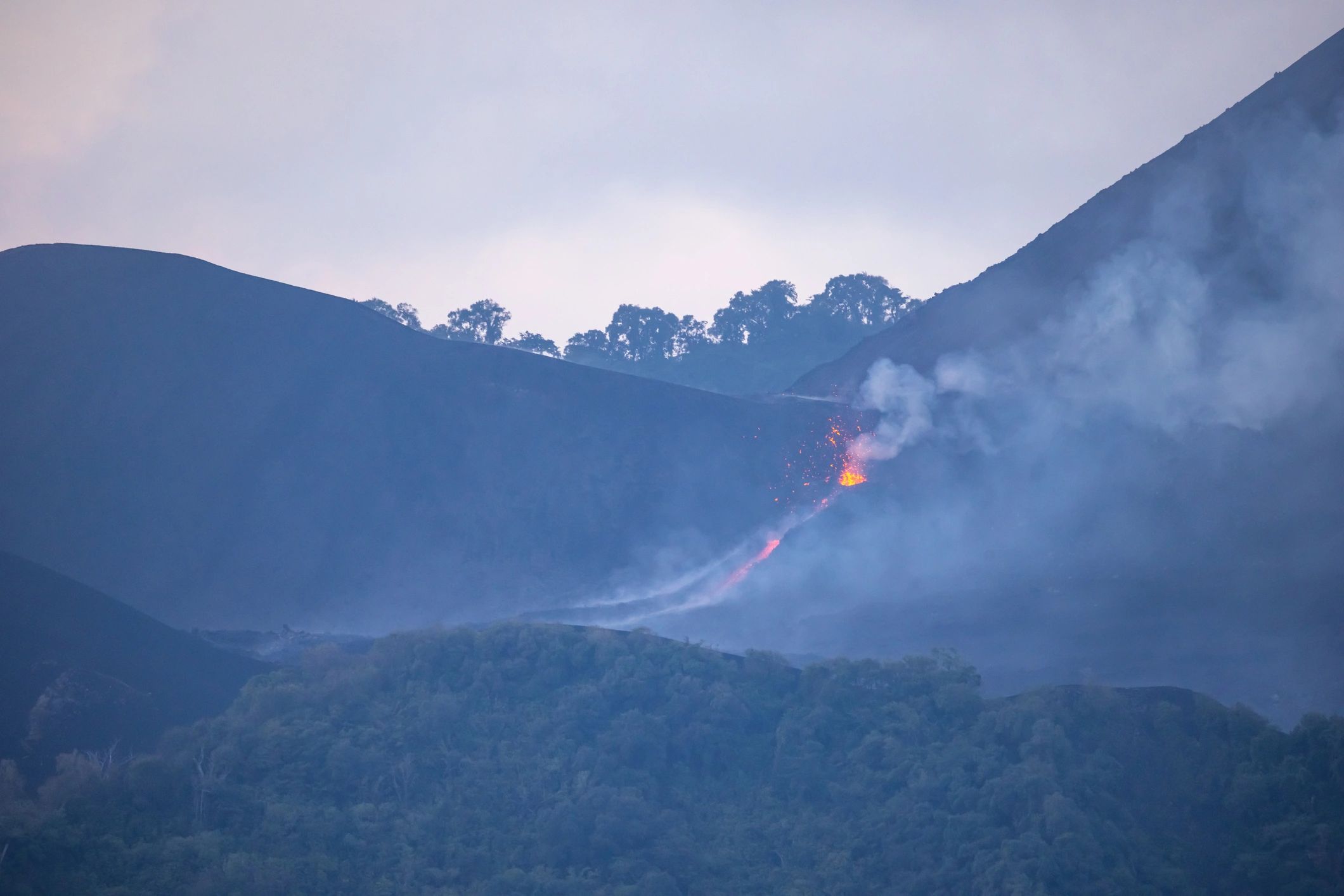
This team studies eruptive systems, magma transport, geothermal reservoirs, and volcanic terrain behavior to improve situational awareness before, during, and after high-impact geologic events.
Its work supports hazard mapping, thermal monitoring, ashfall forecasting, terrain instability assessment, and operational planning for communities, responders, and institutional partners operating in active volcanic regions.
Research Areas
Core Operational Focus
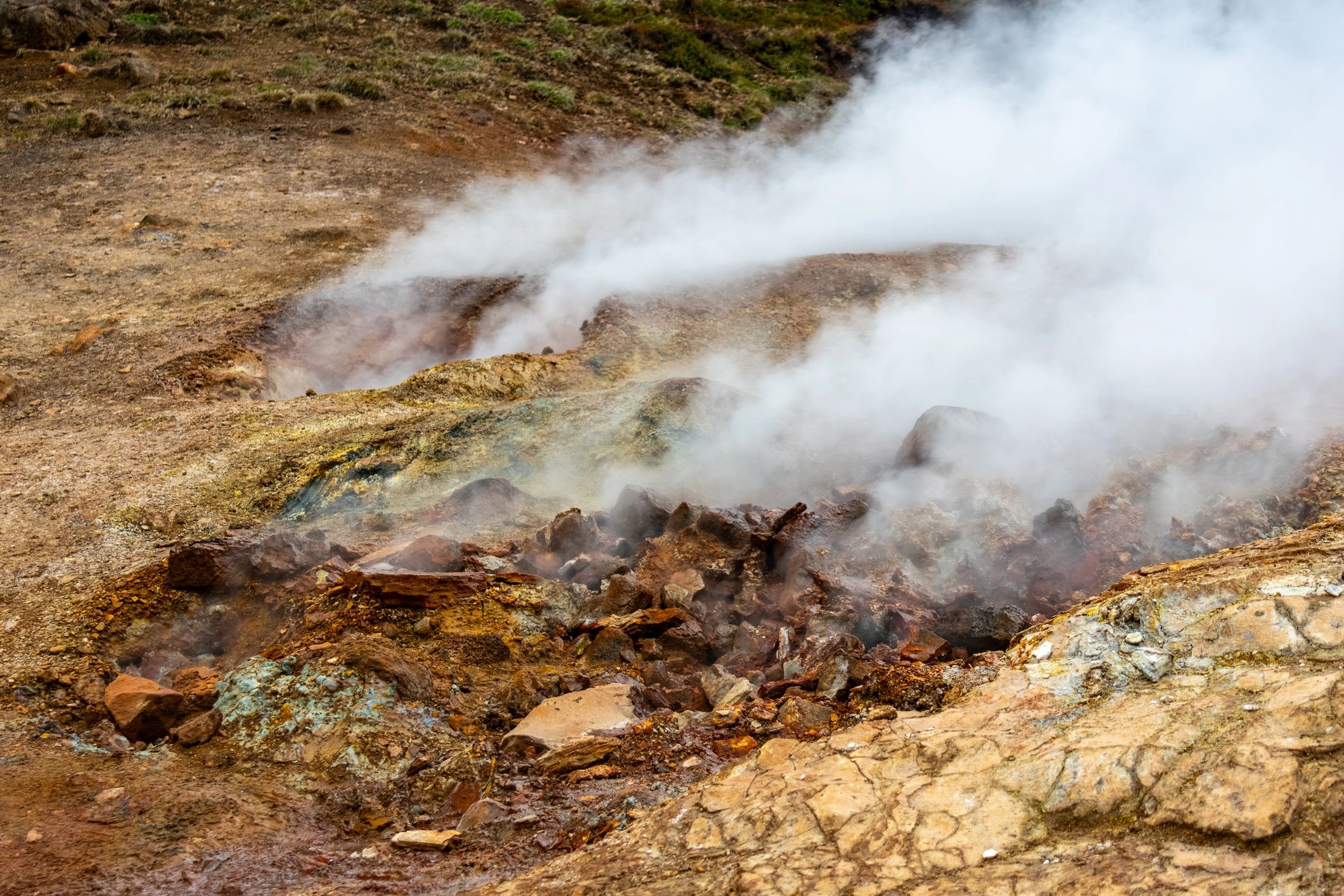
The unit integrates earth systems science, remote observation, and applied field analysis to inform preparedness and long-range resilience in volcanically active environments.
Eruption Forecasting
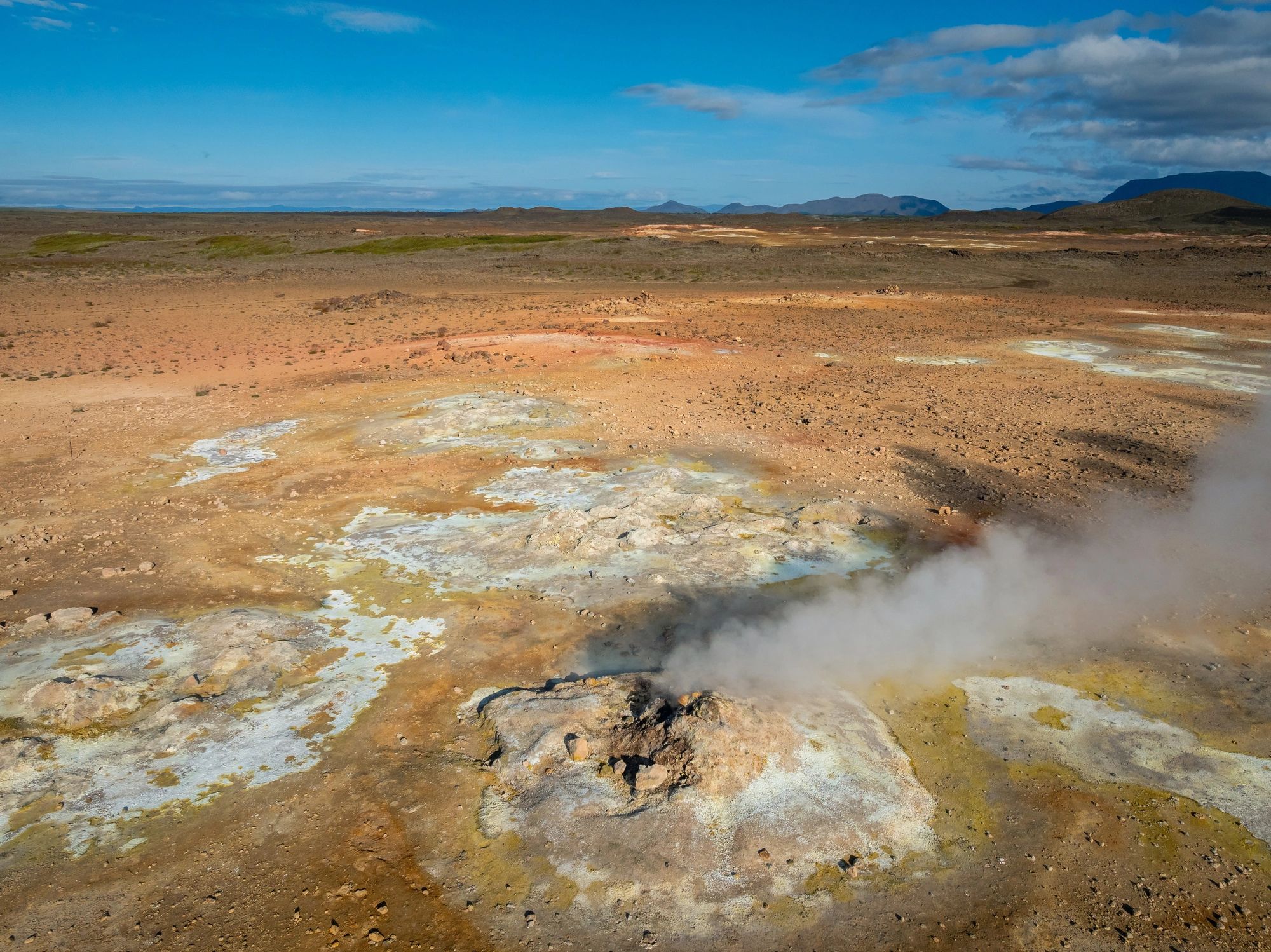
Analyzing seismicity, deformation, gas signatures, and thermal anomalies to improve eruption forecasting and escalation awareness.
Geothermal Systems
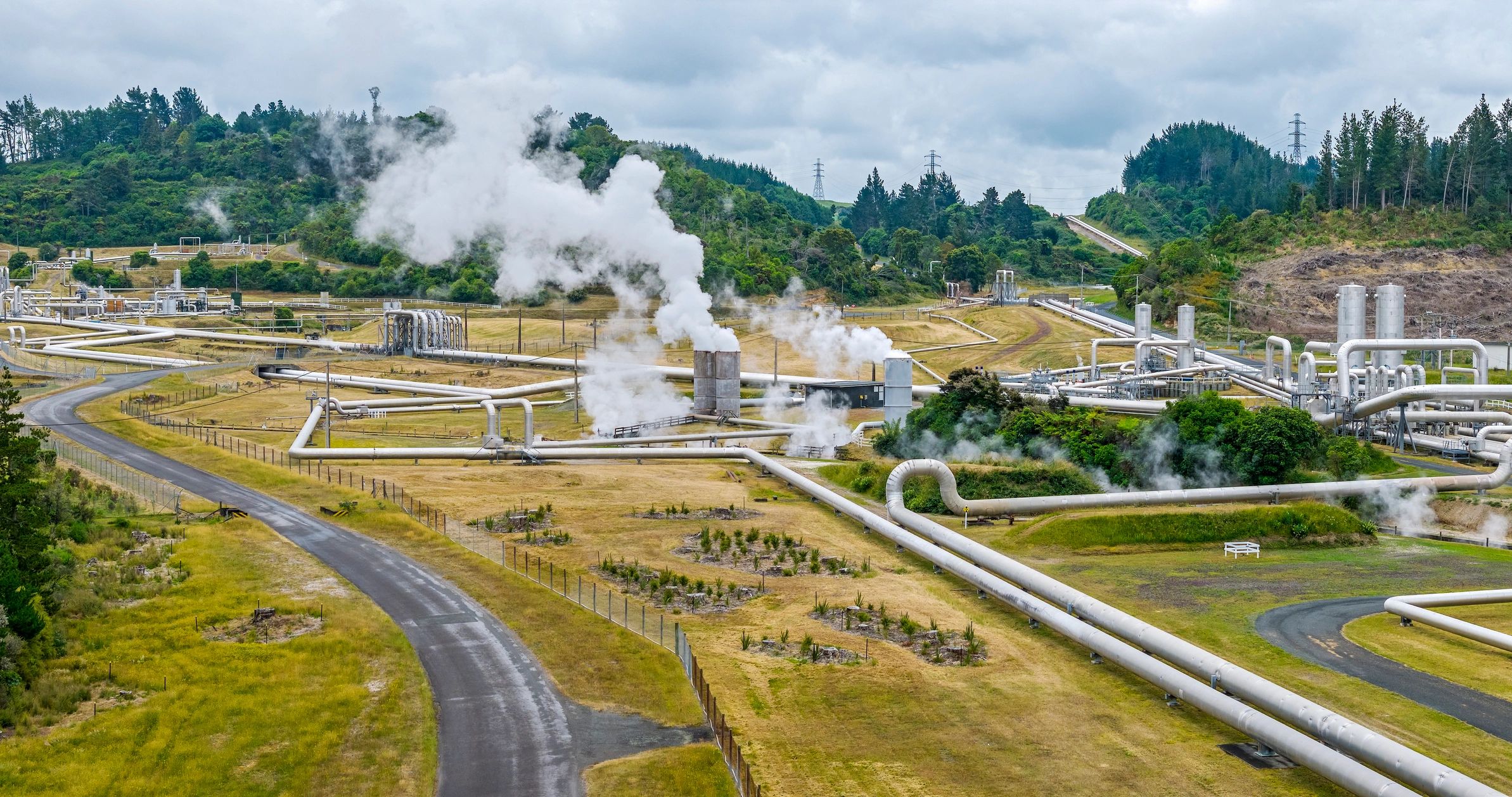
Studying subsurface heat flow, hydrothermal circulation, and geothermal field behavior to support energy, safety, and environmental planning.
Terrain Instability
Assessing lahars, ashfall, slope failure, and lava-path risk to guide protective planning and crisis-response coordination.