
Directorate III
Environmental, Conservation & Diplomacy Directorate
Environmental stewardship, conservation science, and multilateral diplomacy to protect global ecosystems and natural resources for future generations.
Mission
Protecting ecosystems through science and diplomacy
To protect, restore, and defend the world’s ecosystems through rigorous conservation science, multilateral diplomacy, and community-centered environmental advocacy — ensuring that environmental rights are recognized as fundamental human rights.
The Environmental, Conservation & Diplomacy Directorate leads Pacific 7.0 International’s commitment to planetary stewardship. It combines field-based conservation science with high-level diplomatic engagement to protect ecosystems, advance climate resilience, and hold polluters and extractive industries accountable under international environmental law.

What We Do
Three core environmental fronts
Five divisions span conservation science, environmental justice, climate resilience, international diplomacy, and strategic policy. These priority fronts show how the directorate turns doctrine into action.
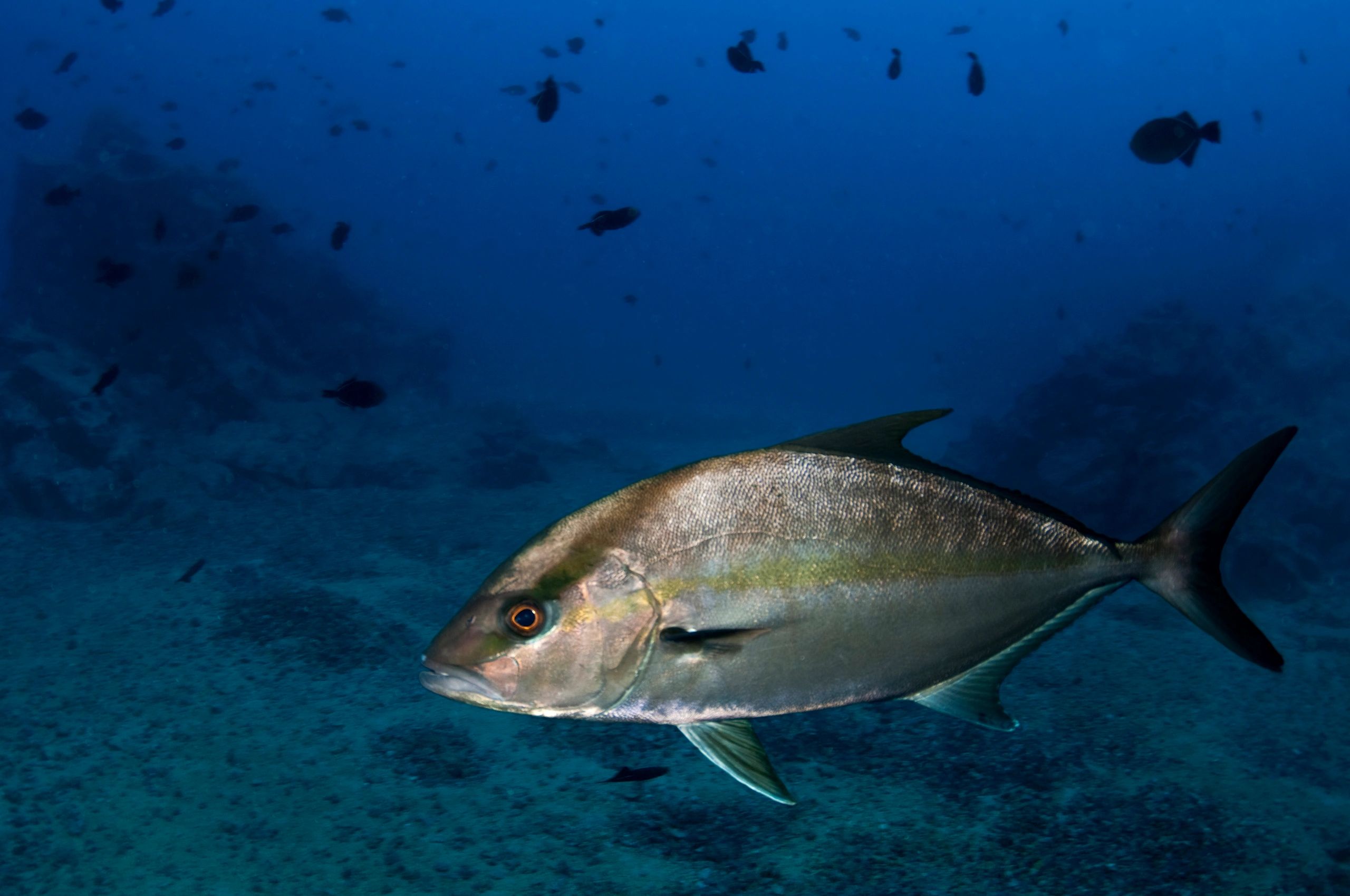
Field conservation & biodiversity
Protecting species, habitats, and ecosystems through field enforcement, ecological science, and transboundary conservation operations.

Environmental justice & remediation
Monitoring pollution, remediating contaminated sites, and advancing environmental equity for communities bearing the greatest toxic burden.
Climate action & resilience
Defending planetary boundaries, securing food and water systems, and engineering resilience against climate-driven collapse.
Key Functions
Operational capabilities
Environmental directorate capabilities are grouped across ecology, remediation, resilience, and diplomacy to support field operations and long-term systems change.
Conservation & Ecology
Species survival assessment and Red List threat monitoring, protected area enforcement, wildlife corridor planning, and deep-ocean biodiversity survey operations.
Environmental Justice & Remediation
Hazardous waste remediation, contamination monitoring, microplastics extraction, brownfields recovery, and corporate pollution accountability referral.
Climate & Resilience
Climate action coordination, coastal resilience engineering, climate displacement logistics, desertification reversal, and food security programming.
Diplomacy & Policy
Environmental treaty compliance, transboundary resource governance, geoeconomic policy research, black-swan risk analysis, and predictive global threat mapping.
Alignment
Built for multilateral impact
This directorate works in alignment with UNEP, the Paris Agreement framework, the Convention on Biological Diversity, WWF, IUCN, the EPA, and regional environmental bodies.
Community partnerships with indigenous land stewards are central to all field programs. Diplomatic operations align with U.S. State Department doctrines and UN multilateral frameworks.
Pacific 7.0 International approaches environmental protection as both a scientific mandate and a humanitarian obligation — linking ecosystem defense to human security, justice, and long-term resilience.