
Specialist Unit
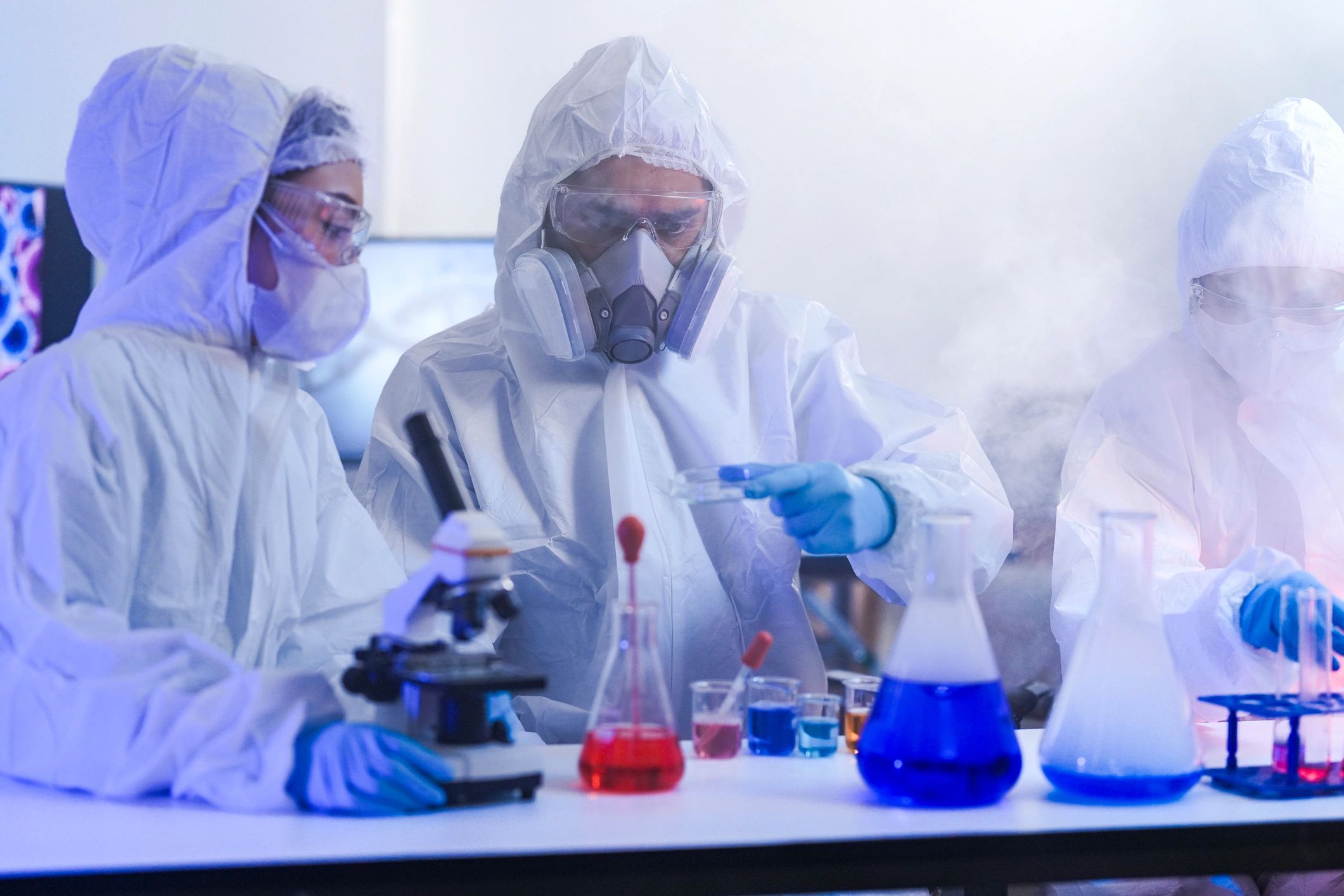
CBRN & Hazardous Materials Incident Field Response Team
Deployable field capability for chemical, biological, radiological, nuclear, and hazardous materials incidents requiring rapid assessment, scene stabilization, decontamination coordination, and humanitarian life-safety support.
Mission
Field Response Capability
This specialist team supports high-risk incident zones where hazardous substances, contamination pathways, and public exposure risks demand disciplined field coordination. The unit is structured to integrate technical assessment, protective operations, and humanitarian response priorities under austere conditions.
Rapid scene assessment
Initial hazard characterization, perimeter support, exposure-risk review, and operational reporting for fast-moving incidents.
Protective field support
Coordination of PPE protocols, decontamination flow, responder safety measures, and support to affected civilian environments.
Focus Areas
Operational Priorities
Hazard identification
Support for identifying likely chemical, radiological, biological, or mixed-material threats affecting civilians, responders, and infrastructure.
Decontamination support
Field coordination for contamination-control corridors, casualty movement, responder protection, and safe operational sequencing.
Interagency integration
Structured liaison support for medical, logistics, security, and crisis-management partners operating within complex incident environments.
Built for austere incidents
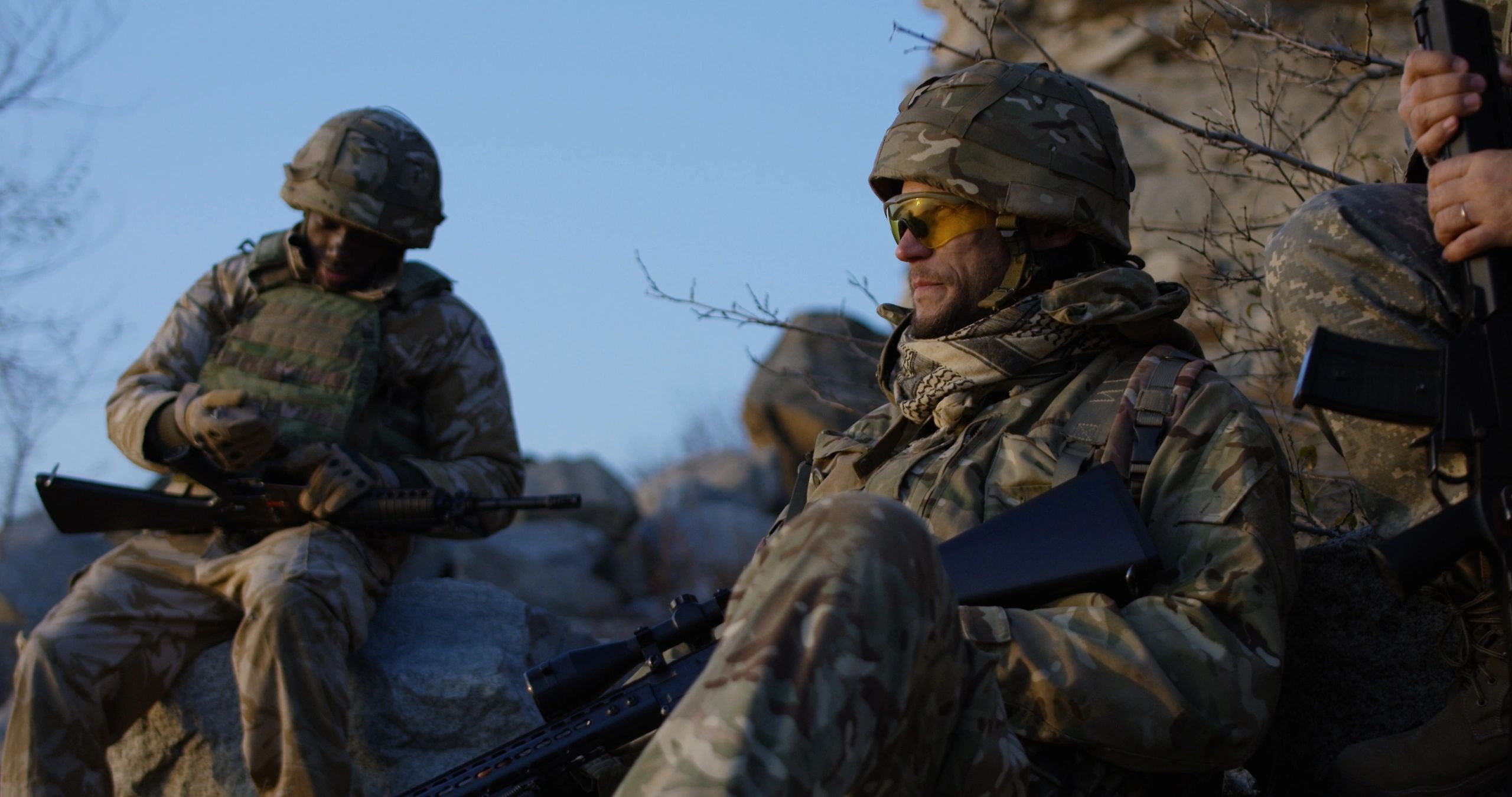
From industrial releases and clandestine lab events to conflict-zone contamination concerns, the team is designed for environments where technical hazard awareness must align with humanitarian urgency.
Its role is to reinforce structured field response, protect life, reduce operational confusion, and support continuity across the wider Pacific 7.0 intervention architecture.