
Earth Sciences
Groundwater Contamination & Aquifer Depletion Research Unit
Advancing field-based hydrogeologic research to track aquifer stress, identify contamination pathways, and inform resilient water-security strategies for communities facing environmental instability.
Unit Focus
Protecting aquifers under pressure
This unit studies how over-extraction, land-use change, industrial runoff, and climate stress alter groundwater quality and long-term aquifer viability. Its work supports early warning, contamination mapping, recharge assessment, and evidence-based mitigation planning for vulnerable regions.
Contamination pathway mapping
Aquifer depletion modeling
Recharge and recovery analysis
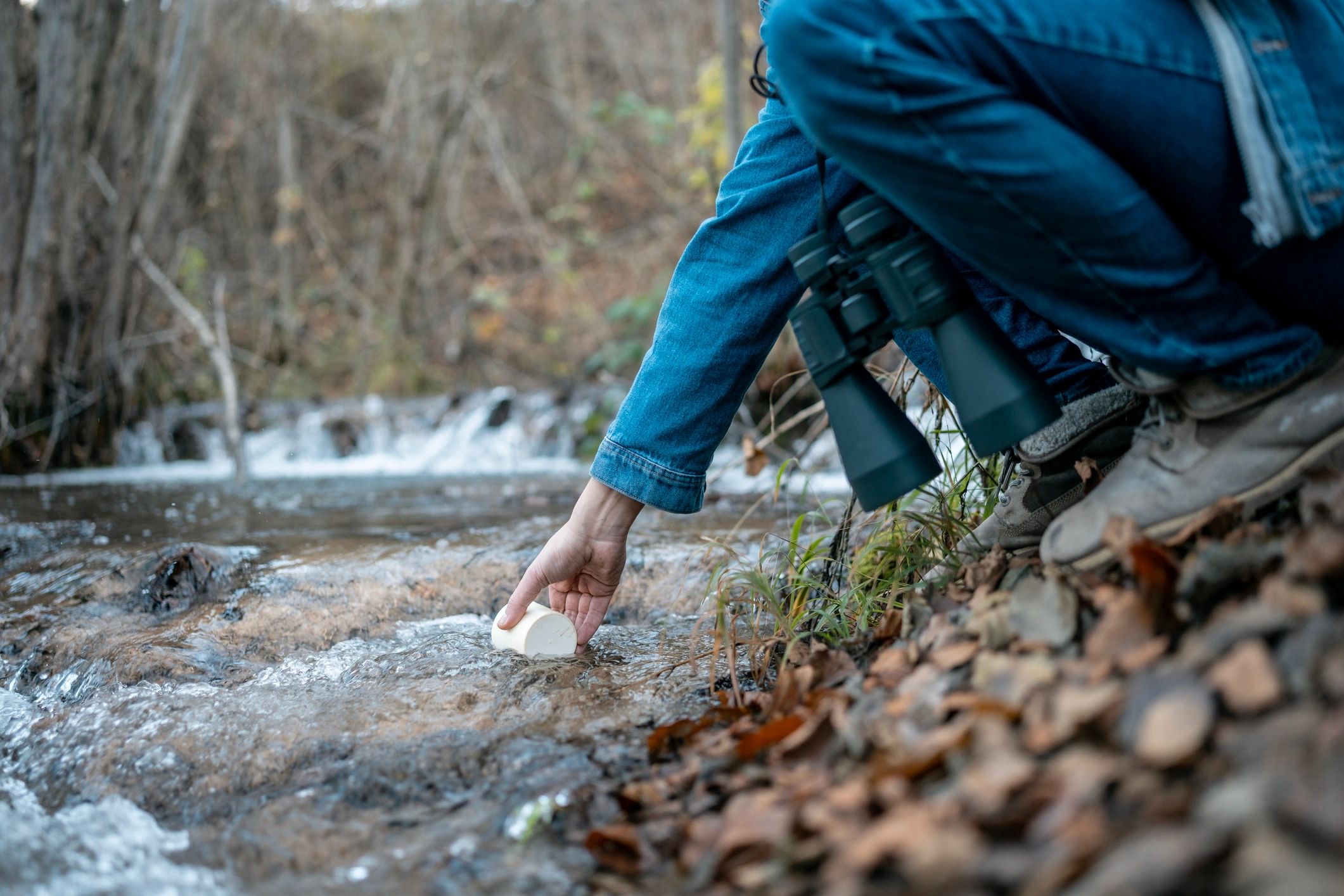
Field sampling and risk reporting

Capabilities
Research priorities
The unit integrates hydrogeology, contamination analytics, and field intelligence to support water resilience planning across stressed environments.
Source identification
Tracing pollutants from industrial, agricultural, and urban inputs to determine likely contamination origins and exposure routes.
Aquifer stress analysis
Assessing drawdown trends, recharge deficits, and extraction pressure to understand long-term groundwater decline.
Decision support
Producing actionable findings for remediation planning, water-security strategy, and community protection measures.