
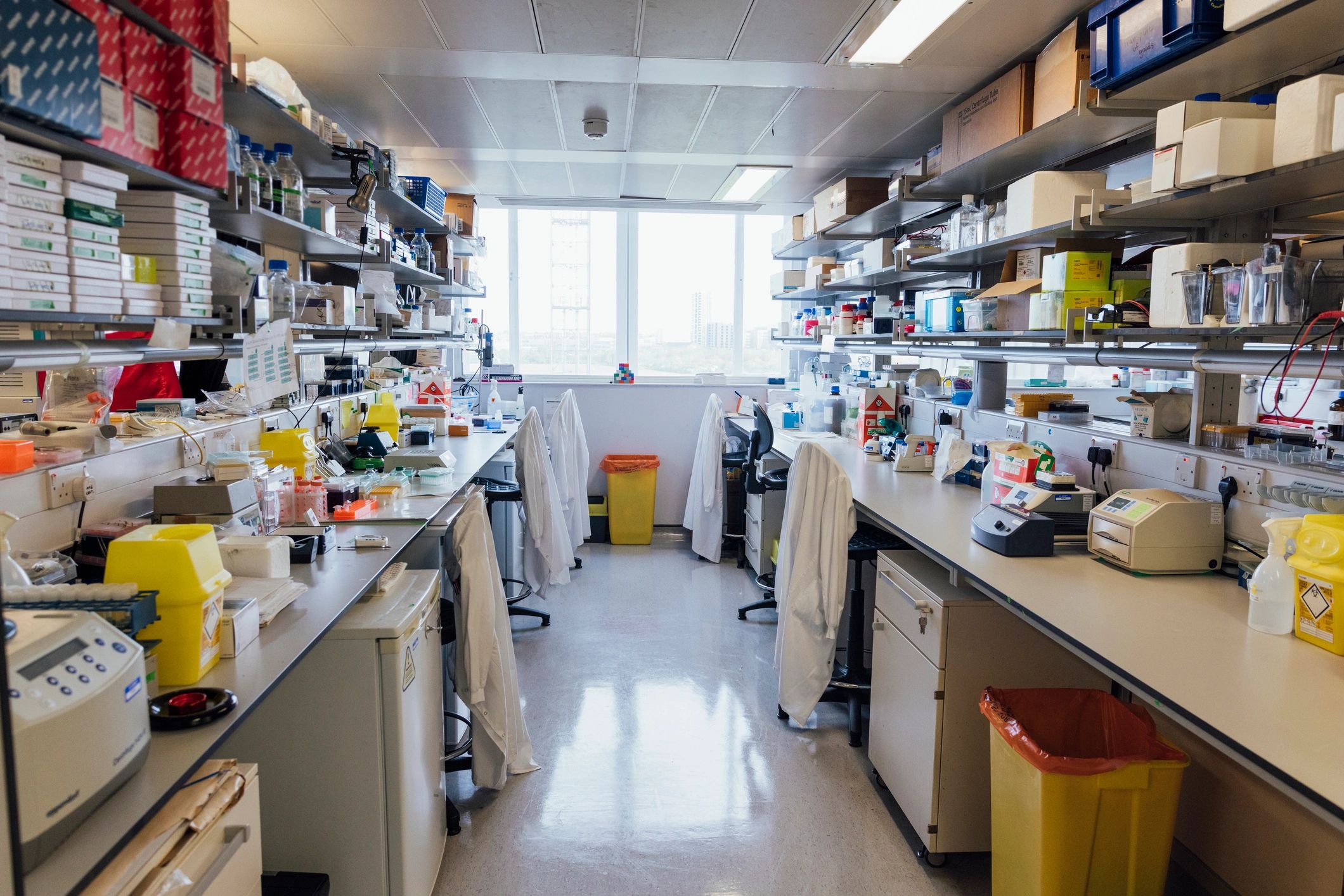
STRADA Unit
Physical Chemistry & Atmospheric Thermodynamics Lab
A specialized STRADA unit advancing thermodynamic modeling, atmospheric chemistry analysis, and field-relevant environmental systems research to support resilient humanitarian science operations.
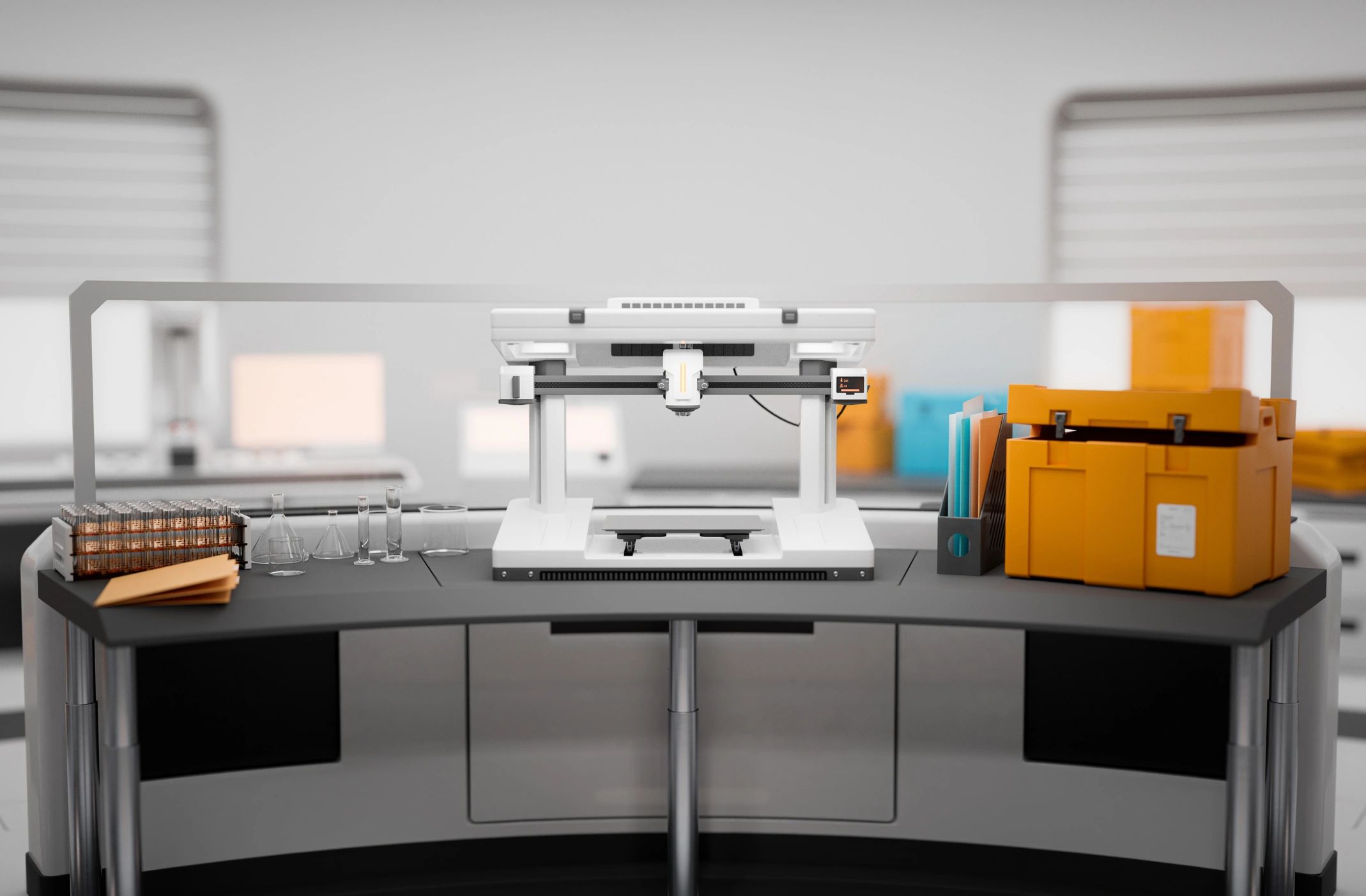
Mission
Applied atmospheric science
The lab studies chemical transport, heat exchange, aerosol behavior, and atmospheric stability to strengthen forecasting, environmental risk interpretation, and operational planning across complex response environments.
Thermodynamic modeling
Builds analytical frameworks for temperature, pressure, and moisture interactions across dynamic field conditions.
Atmospheric chemistry
Examines reactive compounds, particulate behavior, and air-quality indicators relevant to public health and environmental exposure.
Capabilities
Core research functions
The unit connects laboratory analysis with operational decision support through tightly scoped scientific capabilities.
01
Atmospheric diagnostics
Interprets boundary-layer conditions, heat transfer behavior, and instability patterns that affect field safety and planning.
02
Chemical systems analysis
Evaluates reaction pathways, pollutant interactions, and material behavior under changing environmental conditions.
03
Operational integration
Translates physical chemistry findings into usable guidance for resilience, exposure assessment, and mission support.