
STRADA Division
Division of Chemistry & Chemical Engineering
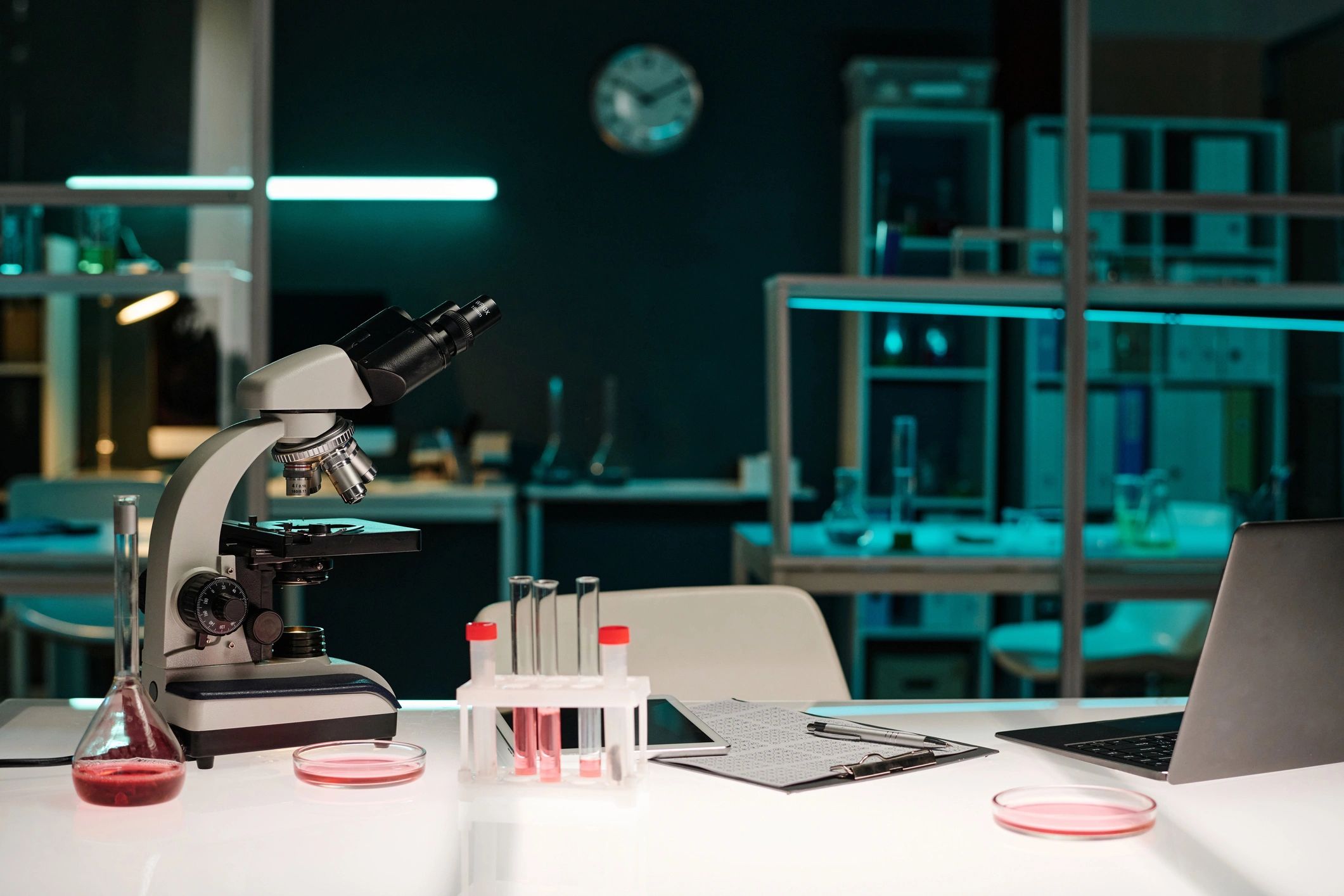
Advancing analytical, organic, environmental, and energy chemistry — including carbon sequestration, desalination, chemical remediation, and advanced composite materials for field and humanitarian applications.
Mission Scope
Chemistry for field impact
This division supports Pacific 7.0 International with deployable chemistry, materials science, and process engineering capabilities designed for crisis environments, environmental recovery, public health protection, and resilient infrastructure support.
Its laboratories and units span analytical chemistry, remediation science, energy storage, membrane systems, catalysis, biophysical chemistry, and advanced materials development to translate research into operational humanitarian value.
15 units
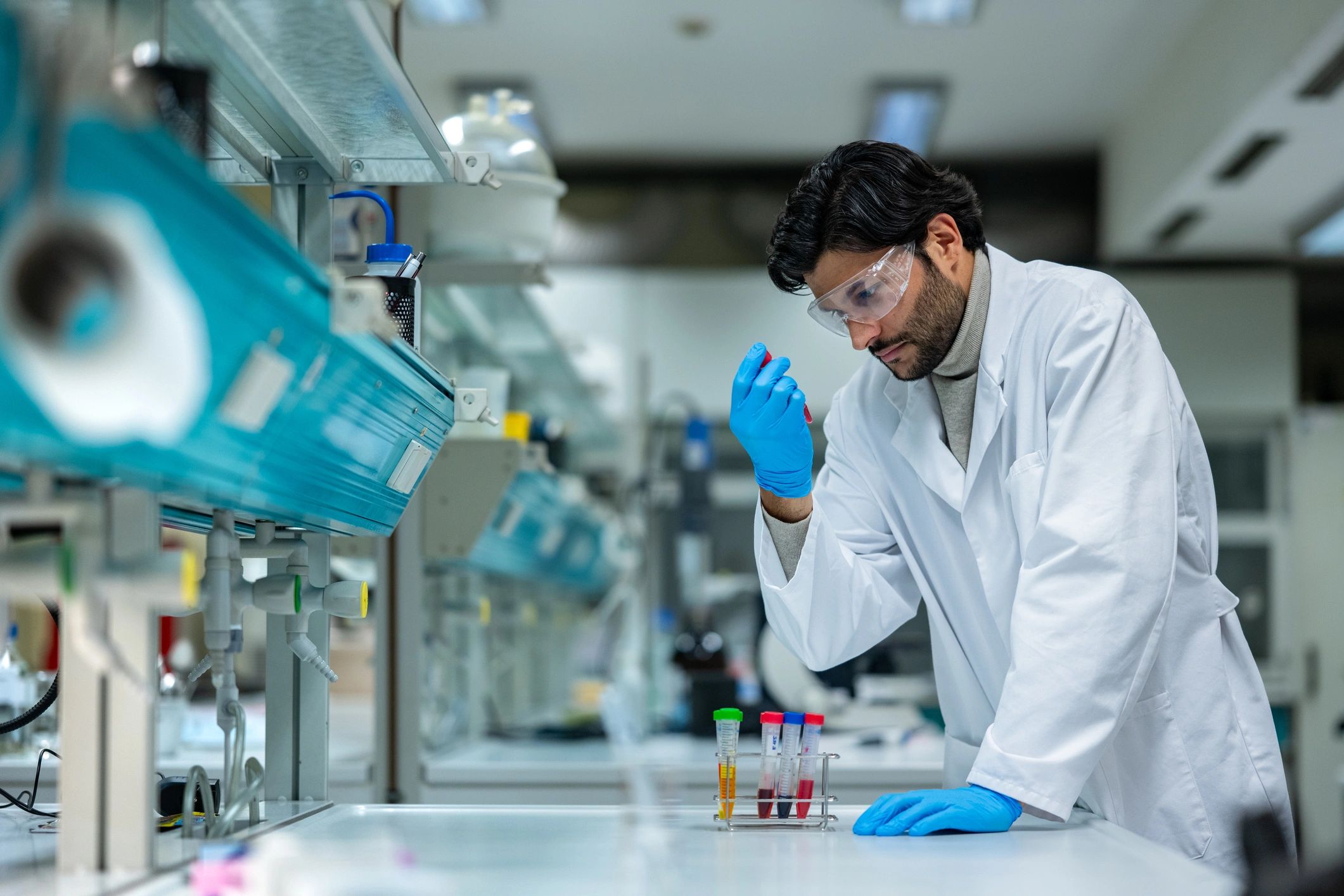
Integrated laboratories and applied research teams.
Field relevance
Focused on water, energy, contamination, and protective materials.
Research mission
Built to support humanitarian operations with science-led solutions.
Units
Chemistry & Chemical Engineering units
Analytical Chemistry & Mass Spectrometry Laboratory
Precision chemical analysis, trace detection, and instrumentation support for complex field and research samples.
Organic Chemistry & Synthetic Polymer Synthesis Unit
Designing organic compounds and polymer systems for protective, medical, and field-use applications.
Inorganic Chemistry & Advanced Metallurgical Lab
Investigating metals, mineral systems, corrosion behavior, and advanced inorganic materials for resilient deployment.
Environmental Chemistry & Pollution Analysis Team
Assessing contaminants across soil, air, and water systems to inform remediation and humanitarian response planning.
Microplastics & Nano-Particle Extraction Chemistry Unit
Developing separation, detection, and recovery methods for emerging particulate pollutants in vulnerable environments.
Physical Chemistry & Atmospheric Thermodynamics Lab
Studying reaction energetics, atmospheric behavior, and thermodynamic systems relevant to climate and exposure risk.
Energy Chemistry & Solid-State Battery Storage Facility
Advancing safer energy storage chemistries for mobile systems, remote operations, and resilient infrastructure support.
Electrochemistry & Hydrogen Fuel Cell Engineering Unit
Engineering electrochemical systems and hydrogen conversion technologies for clean, deployable power solutions.
Biochemistry & Molecular Biophysics Center
Linking chemical biology and molecular structure analysis to health, exposure, and resilience research priorities.
Pharmacological Chemistry & Field-Drug Synthesis Lab
Supporting medicinal chemistry, formulation pathways, and field-adapted synthesis concepts for austere settings.
Catalysis Engineering & Chemical Kinetics Unit
Optimizing reaction pathways, catalytic systems, and process efficiency for scalable scientific and field applications.
Carbon Sequestration & Atmospheric Scrubbing R&D Team
Researching carbon capture, sorbent materials, and atmospheric treatment systems for climate resilience missions.
Chemical Remediation & Heavy-Metal Neutralization Lab
Designing treatment strategies for toxic residues, industrial contamination, and heavy-metal exposure scenarios.
Desalination Chemistry & Osmotic Membrane Research Unit
Improving membrane chemistry and osmotic treatment systems for water access in stressed and disaster-affected regions.
Advanced Composites & Ballistic Resistance Chemistry Team
Developing composite chemistries and protective material systems for durability, shielding, and operational resilience.
Support the mission
Back science with humanitarian reach
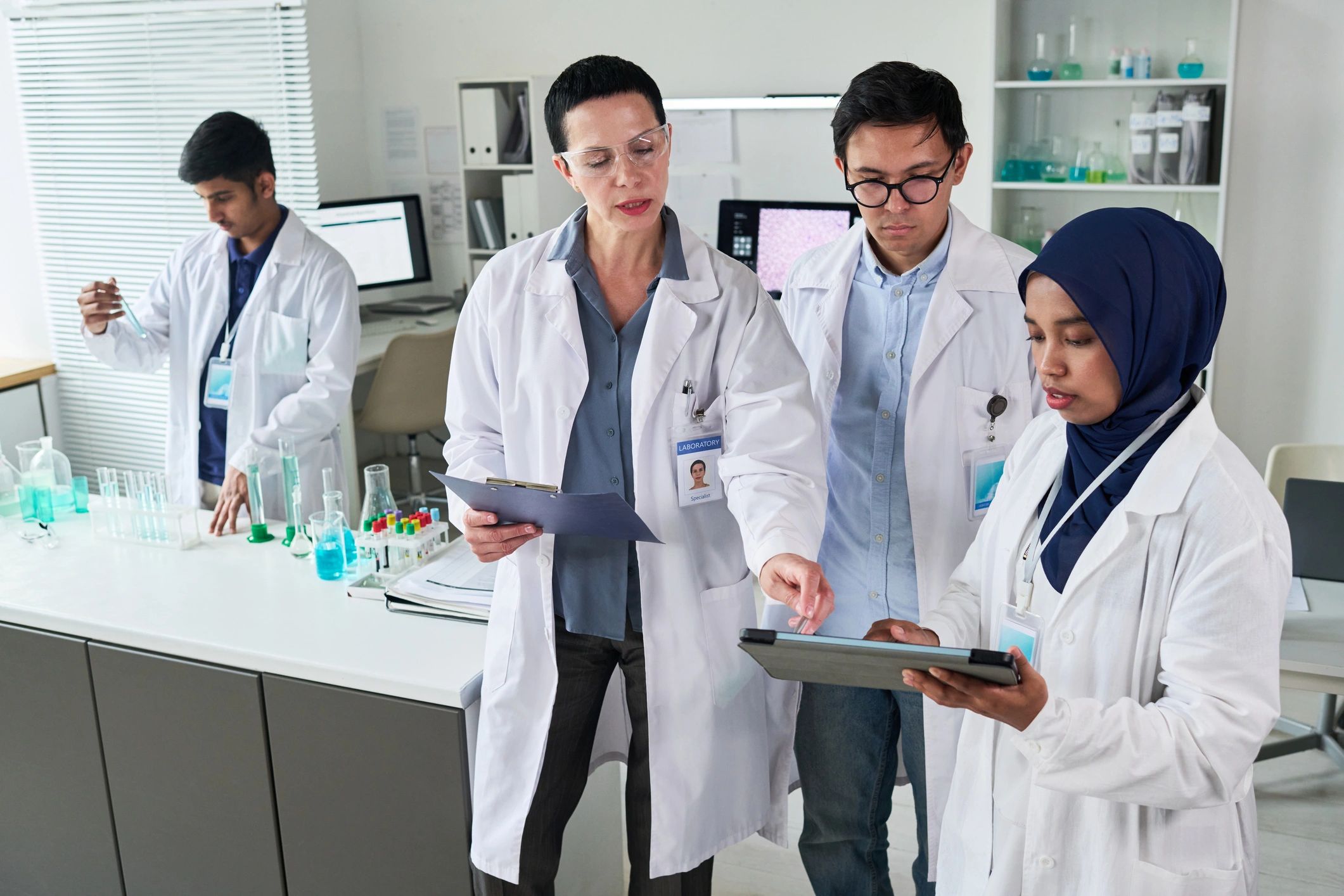
Help Pacific 7.0 International expand research capacity across chemistry, clean water systems, remediation science, and resilient materials for crisis response.