

Rapid Care
Trauma Medicine, Hemorrhage Control & Tactical Combat Casualty Care (TCCC)
Pacific 7.0 International advances field-ready trauma response capabilities for high-risk humanitarian environments, with emphasis on hemorrhage control, casualty stabilization, and coordinated medical action under austere conditions.
Mission
Field Trauma Readiness
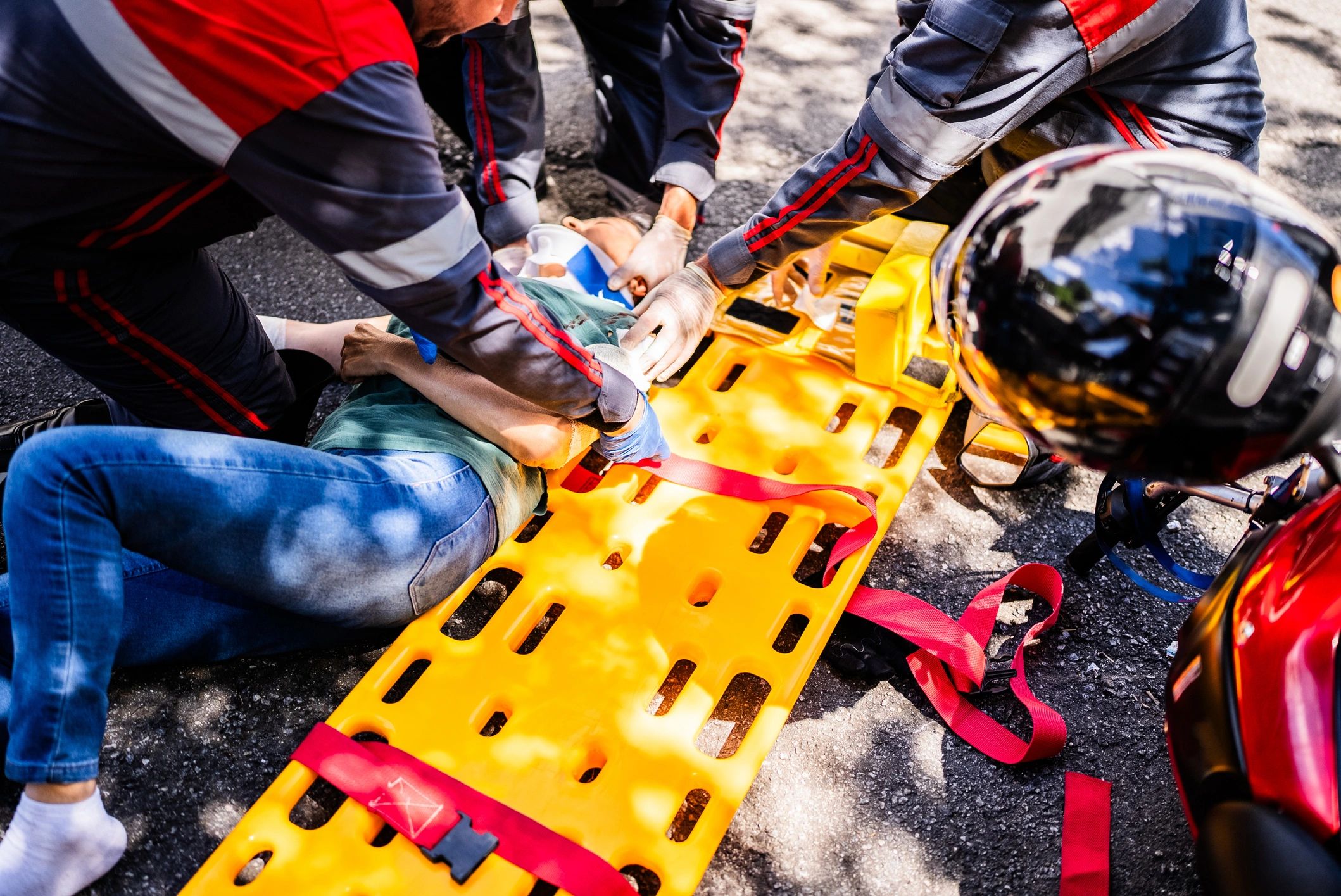
This unit focus centers on lifesaving trauma medicine in unstable settings where minutes matter and access to definitive care may be delayed. The page highlights disciplined hemorrhage control, rapid assessment, and practical casualty management aligned with humanitarian response realities.
Its operational value lies in bridging emergency medicine, field logistics, and crisis coordination so that responders can preserve life, reduce preventable mortality, and support continuity of care during conflict, disaster, and remote-area interventions.
Capabilities
Core Focus Areas
Hemorrhage Control
Prioritizing rapid bleeding control through field protocols, stabilization methods, and immediate intervention workflows designed for high-pressure response environments.
Casualty Stabilization
Supporting airway, breathing, circulation, and shock management practices that help sustain patients during evacuation delays or austere transport conditions.
TCCC Integration
Applying Tactical Combat Casualty Care principles to complex humanitarian operations where responder safety, triage discipline, and coordinated care are essential.